
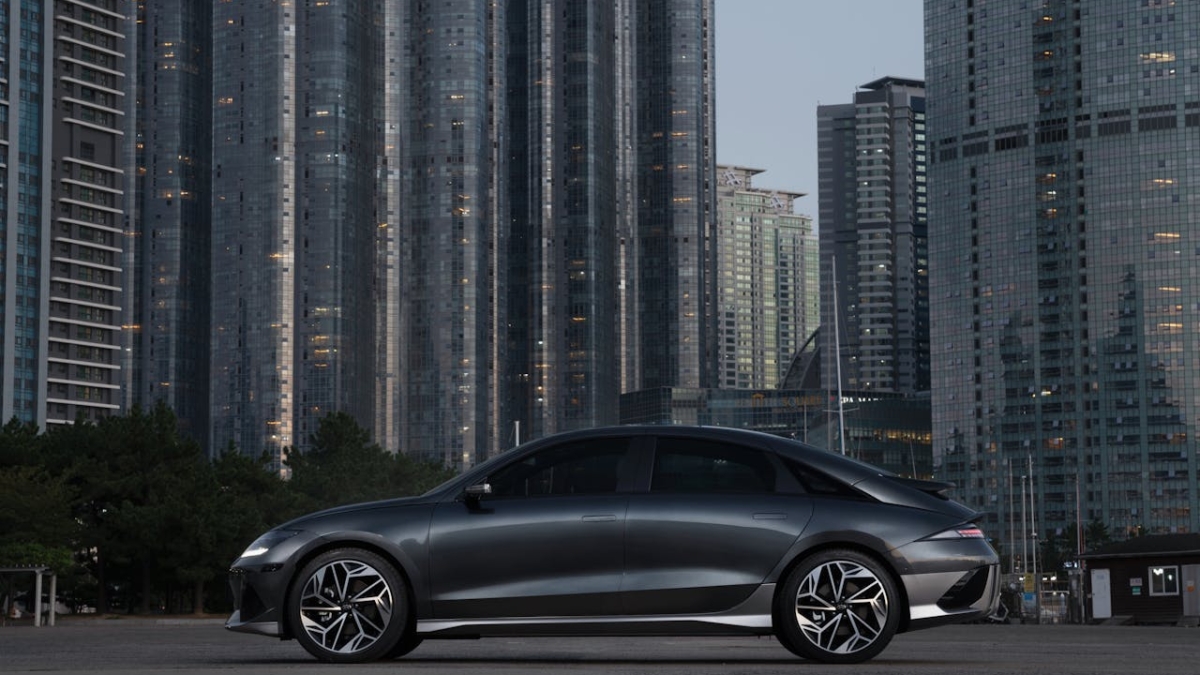
The automotive industry is undergoing a major transformation. Electric cars (EVs) are no longer just a futuristic concept; they are rapidly becoming a practical and popular alternative to traditional gasoline-powered vehicles. As governments, businesses, and consumers embrace sustainable energy, the next decade promises exciting advancements in electric mobility. Here’s what to expect from electric cars by 2030.
1. Increased Adoption and Market Growth
By 2030, electric vehicles are expected to make up a significant portion of global car sales. Advances in technology, combined with stricter emission regulations and government incentives, will encourage more people to switch from gasoline cars to electric alternatives. Cities around the world are also investing in charging infrastructure to support this growing demand.
2. Longer Range and Faster Charging
One of the main concerns for EV owners today is range and charging time. By 2030, battery technology is expected to improve dramatically, allowing electric cars to travel much longer distances on a single charge. Fast-charging stations will become more common and efficient, making long trips easier and more convenient.
3. Lower Costs and Affordability
Currently, the higher price of electric cars is a barrier for many buyers. However, as battery production scales up and technology becomes more efficient, EV prices are projected to drop. By 2030, electric cars may become as affordable — or even cheaper — than traditional vehicles, making them accessible to a wider audience.
4. Advanced Autonomous Features
The future of electric cars is closely tied to self-driving technology. Many EVs coming in the next decade will include advanced driver-assistance systems (ADAS), making driving safer and more convenient. Some experts predict that fully autonomous electric cars could be available by 2030, transforming how we commute and travel.
5. Improved Environmental Impact
Electric cars produce zero tailpipe emissions, making them much cleaner than gasoline cars. By 2030, as EV adoption increases and energy grids shift toward renewable sources, the environmental benefits will grow. Reduced air pollution, lower greenhouse gas emissions, and less dependence on fossil fuels will help combat climate change.
6. New Designs and Features
Electric cars allow for more flexible and innovative designs since they don’t require traditional engines and fuel tanks. Expect to see sleeker, more futuristic vehicles with advanced infotainment systems, AI-powered assistants, and enhanced safety features. EV manufacturers are also focusing on sustainability, using recycled and eco-friendly materials.
7. Integration with Smart Cities
Electric vehicles will play a key role in the development of smart cities. Connected EVs will communicate with traffic systems, public transportation, and even other cars to reduce congestion and improve efficiency. Charging stations could be integrated with solar energy grids, creating a more sustainable and connected urban environment.
8. New Business Models and Mobility Solutions
By 2030, EVs may change not only how we drive but also how we own and use vehicles. Subscription-based car services, ride-sharing EV fleets, and on-demand autonomous vehicles are likely to become more common. This shift could reduce the need for personal car ownership while increasing convenience and flexibility.
Conclusion
The future of electric cars looks bright and transformative. By 2030, EVs are expected to be more affordable, efficient, and widely adopted, with advanced technology and environmentally friendly benefits. From longer battery life and faster charging to autonomous driving and smart city integration, the next decade promises an exciting revolution in transportation. Electric cars are not just the future — they are shaping the way we live, commute, and protect our planet.